

Table of contents
Search "aromatherapy without a diffuser" and you get toilet paper rolls, cotton balls tucked into air vents, and baking soda jars. Meanwhile there is a proper reed diffuser or a room spray already living on a shelf somewhere in the house.
None of those DIY hacks are wrong exactly. They are just solving a problem you may not have. Here is what actually reaches the brain's scent pathway, without a water reservoir in sight.
You do not need an ultrasonic diffuser for real aromatherapy. Candles, reed diffusers, wax melts and room sprays all send scent molecules along the same olfactory pathway.
The brain does not care about delivery method, only consistent exposure. Skip the water reservoir and the cotton ball hacks entirely.
- The "you need a diffuser" assumption comes from essential oil marketing, not from the underlying neuroscience.
- Ultrasonic diffusers use standing water, which is a well known maintenance headache: mold and biofilm without near-daily cleaning.
- Cotton balls and toilet paper roll hacks give weak, inconsistent scent throw and no real dosing control.
- Candles, reed diffusers, wax melts and sprays each suit a different room and a different level of effort.
- Match the format to the room's constraints first, kids, pets, flame rules, then to the scent.
Why Everyone Assumes You Need a Diffuser
The assumption is recent, and it is mostly marketing. Essential oil multi-level-marketing brands built their entire retail model around selling a device alongside the oil, so "diffuser" and "aromatherapy" became synonymous online.
The actual mechanism has nothing to do with any specific device. Scent molecules just need to reach your olfactory receptors. Our deeper piece on what the science actually says covers that pathway in full.
The Problem Nobody Mentions About Water Diffusers
Ultrasonic diffusers vibrate standing water to create a fine mist. That standing water is exactly the environment mold and bacteria need.
Without near-daily emptying and drying, ultrasonic diffuser reservoirs can grow mold and biofilm, according to product testing outlet Reviewed. That mist then carries whatever is growing in the tank into the air you breathe.
Add the running cost of replacement oils, the hum of the ultrasonic motor, and a plastic reservoir that rarely matches a room's décor, and the appeal fades fast for a lot of households.
What the DIY Hacks Actually Get You
Cotton balls in an air vent, oil on a toilet paper tube, a jar of baking soda with a few drops added: these are the most common alternatives recommended across the web.
They are cheap, but they are inconsistent. Scent throw fades within an hour or two, there is no real way to control dose, and undiluted oil on a cotton ball within reach of a curious pet is a genuine hazard, not a convenience, per Pet Poison Helpline.
The Four Formats That Already Do This Properly
Each of these reaches the same olfactory pathway as an oil diffuser. The difference is upkeep, ritual, and how much control you want over timing.
| Format | How it diffuses | Upkeep | Best for |
|---|---|---|---|
| Reed diffuser | Passive wicking through reeds | Flip reeds weekly, no cleaning | Bedrooms, hallways, always-on rooms |
| Candle | Heat releases scent from wax | Trim wick, never unattended | Evening ritual, living rooms |
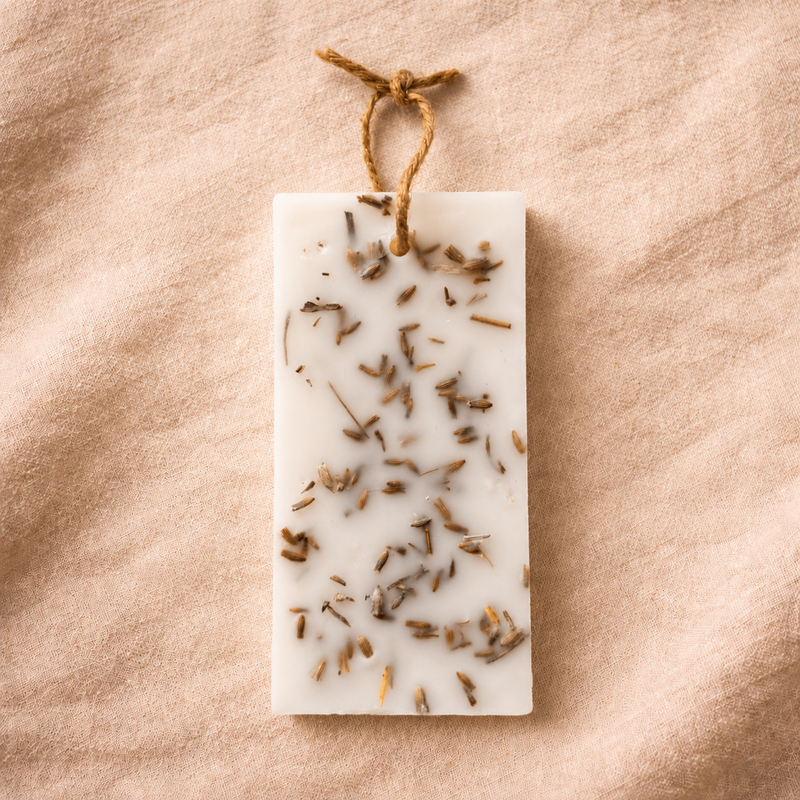
| Wax melt | Warmer heat, flameless | Wipe warmer between melts | Home offices, kids' rooms |
| Room spray | Instant, on demand | None | Bathrooms, entryways, right before guests |
If you are choosing between the two most common picks for a specific room, our reed diffuser vs candle comparison goes deeper room by room.
Matching Format to the Room, Not the Other Way Around
Start with the room's constraints, not the scent you like. A nursery or a home with pets rules out an open flame immediately, which narrows you to a reed diffuser, wax melt or spray before fragrance ever enters the decision.
A home office benefits from something you set once and ignore, a wax melt or reed diffuser, rather than a candle that needs tending mid-meeting. A bathroom rarely needs constant scent, so a spray used on demand is both cheaper to run and more practical.
For a full breakdown by room, our room-by-room scent guide walks through each space in the house.
🔍 Find Your Format
Which diffuser-free format actually fits your room?
Two quick questions, no essential oil diffuser required.
Any constraints in the room?
How do you want the scent to show up?
Safety Notes for Diffuser-Skippers
Skipping the water diffuser does not remove every safety consideration. Candles need a genuinely unattended-never rule, and several common fragrance oils are still worth checking against pet safety guidance before use around cats or dogs.
Our science piece has the full pet safety breakdown if you want the specific oils to be careful with.
The Bottom Line
An ultrasonic diffuser is one option among several, not a requirement. Candles, reed diffusers, wax melts and sprays reach the same olfactory pathway with less upkeep and no standing water to worry about.
Pick based on the room's real constraints first, then the ritual you actually want, and the science works exactly the same either way.
Can you get the benefits of aromatherapy without any diffuser at all?
Yes. Candles, reed diffusers, wax melts and room sprays all release scent molecules along the same nose to brain pathway an ultrasonic diffuser uses. The device is not what matters, consistent exposure to the scent is.
Are cotton ball and toilet paper roll hacks actually effective?
Mildly, and briefly. They release scent for an hour or two before fading, offer no real dose control, and undiluted oil on a cotton ball is a genuine hazard within reach of small children or pets.
What is the lowest maintenance way to scent a room?
A reed diffuser. It wicks scent passively through the reeds with no motor, no water, and no daily attention beyond flipping the reeds roughly once a week.
Is a wax melt safer than a candle for a kid's room?
Generally yes. A wax melt warmer uses gentle heat rather than an open flame, which removes the biggest safety concern in a room where a candle would need constant supervision.
Do ultrasonic diffusers actually cause mold problems?
They can. Standing water in the reservoir is an ideal environment for mold and biofilm if the unit is not emptied and dried nearly every day, a maintenance step most people skip.
Which format should I use in a home office?
A wax melt or reed diffuser. Both work unattended through a full workday without needing to be tended like a candle, which matters if you are on calls or leaving the room often.
Once you have picked a format, the Signature collection is built to work consistently across all four, so the same scent can follow you from the office to the bedroom.
From the Mikaya studio
-
 Bestseller
 -

 Bestseller
 -

 Bestseller


No questions yet. Be the first to ask.